

Dato Dr Kenneth Gerard Pereira, Managing Director, Hibiscus Petroleum Bhd.
By TEE LIN SAY
linsaytee@suketv.com
24 April 2026, 12:00pm
KUALA LUMPUR - There will continue to be strong demand for the oil and gas sector over the next 20 to 30 years, despite growing investments in renewable energy, says Dato’ Dr Kenneth Pereira, Managing Director of Hibiscus Petroleum Berhad.
Kenneth says renewable energy is unlikely to be able to scale up to meet growing energy demand as fast as some analysts suggest, as substantial investments are required to fund the necessary infrastructure build-out.
“Our company looked at various scenarios back in 2021, during the 26th UN Climate Change Conference (COP26) in Glasgow. That period, I would say, was the high-water mark of green evangelism,” said Kenneth.
“At that time, it seemed that every minute of every day, there was something negative being said about fossil fuels, while green energy was positioned as the future.”
It was at this point that Kenneth started really looking deep into whether renewable energy was indeed a threat to the oil and gas sector and whether Hibiscus needed to pivot its business into other growth areas.
After about a year and a half of research, he decided that there was a manageable threat and concluded that in the end, it would be realised that every component of the energy mix would be important to a world with an insatiable thirst for energy.
Kenneth’s key observations during that time were that existing renewable energy systems were heading to a place where:
1. There was a big gap between climate targets and aspirations, and execution capacity; and
2. Even if this gap did not exist, an immense amount of low-cost capital would still be required to achieve the energy transition.
“Capital for the energy transition must be affordable and sourced in a smart way. When I realised these two problems existed, I knew Hibiscus’ business would be resilient, at least for another 20 to 30 years,” he said.
“These were my conclusions before the Iran War. The situation today is even more complex. In the short term, some economies will face energy shortages. In the mid-term, governments will look at the adequacy of their strategic reserves, and in the long term, alternative fuel sources will be considered as integral parts of the energy mix,” says Kenneth.
Its All About the Money
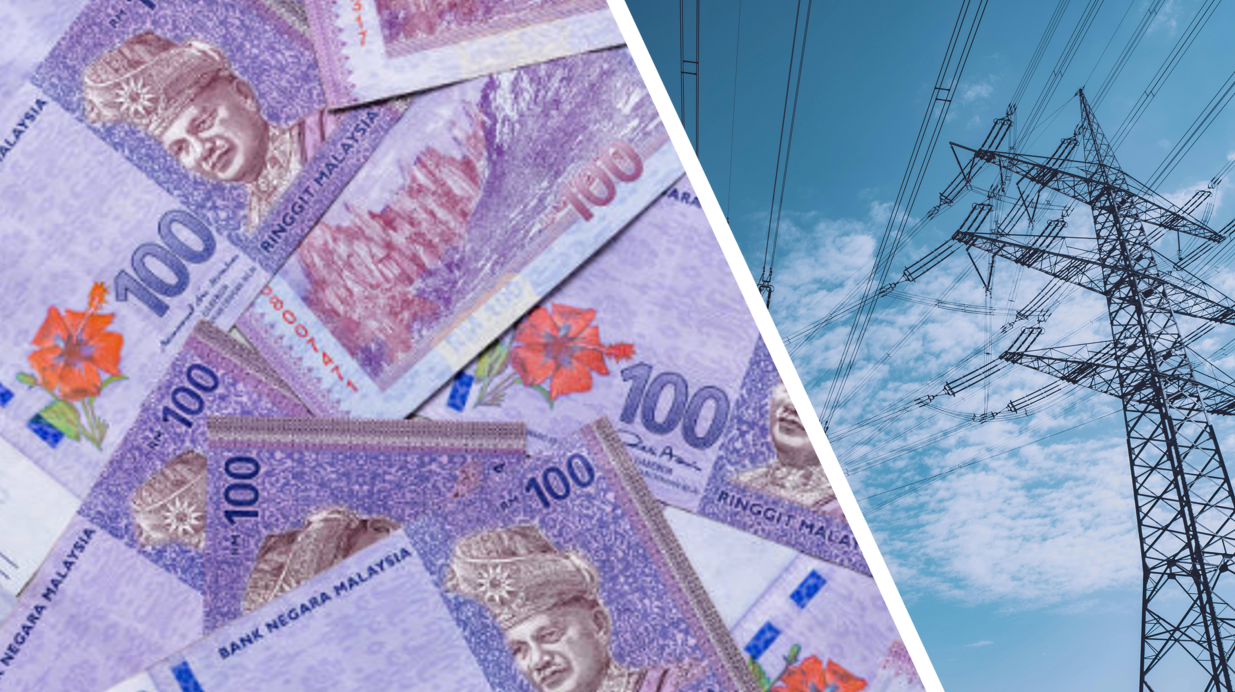
To implement any of the above strategies, it is about having large financial resources. A sustainable funding mechanism is essential.
The climate change agenda has been presented as something requiring accelerated action. While that may be the case, the funding of accelerated implementation has NOT been factored in.
“Yes, the world should engage in an energy transition over a reasonable timeframe. But my research shows that it is not being properly funded, and without sufficient capital, it cannot be executed or implemented optimally,” he said.
While there is strong interest in the topic, much of the responsibility is still left to governments to provide subsidies and funding.
“Over the years, private equity has found that this space is not something really viable in terms of returns, as it involves providing essential services like electricity and commodities that people expect not to pay a lot of money for.”
Therefore, the fundamental issue is identifying sufficient sources of capital at a low enough cost of funds to enable projects with modest returns to proceed.
This is the challenge, says Kenneth.
Only then can execution take place.
Reality Check: For renewables to stay, we need one heck of an electric grid
In the world we live in today, the current energy infrastructure gets approximately 83% of its power source from fossil fuels.
Therefore, with all this talk on renewables replacing fossil fuels, logically it would mean replacing the existing system—this reliable energy delivery system that has been built up over maybe two centuries—and replace it over the next 20 or 30 years.
This would require a lot of money, resources, engineering, and execution.
However, whatever the energy system might be, the most important thing that needs to be understood is this:
Clean energy will rely on a very hard and reliable electric grid.
This electric grid must be able to supply the electricity everybody needs at the right place, and at the right time.
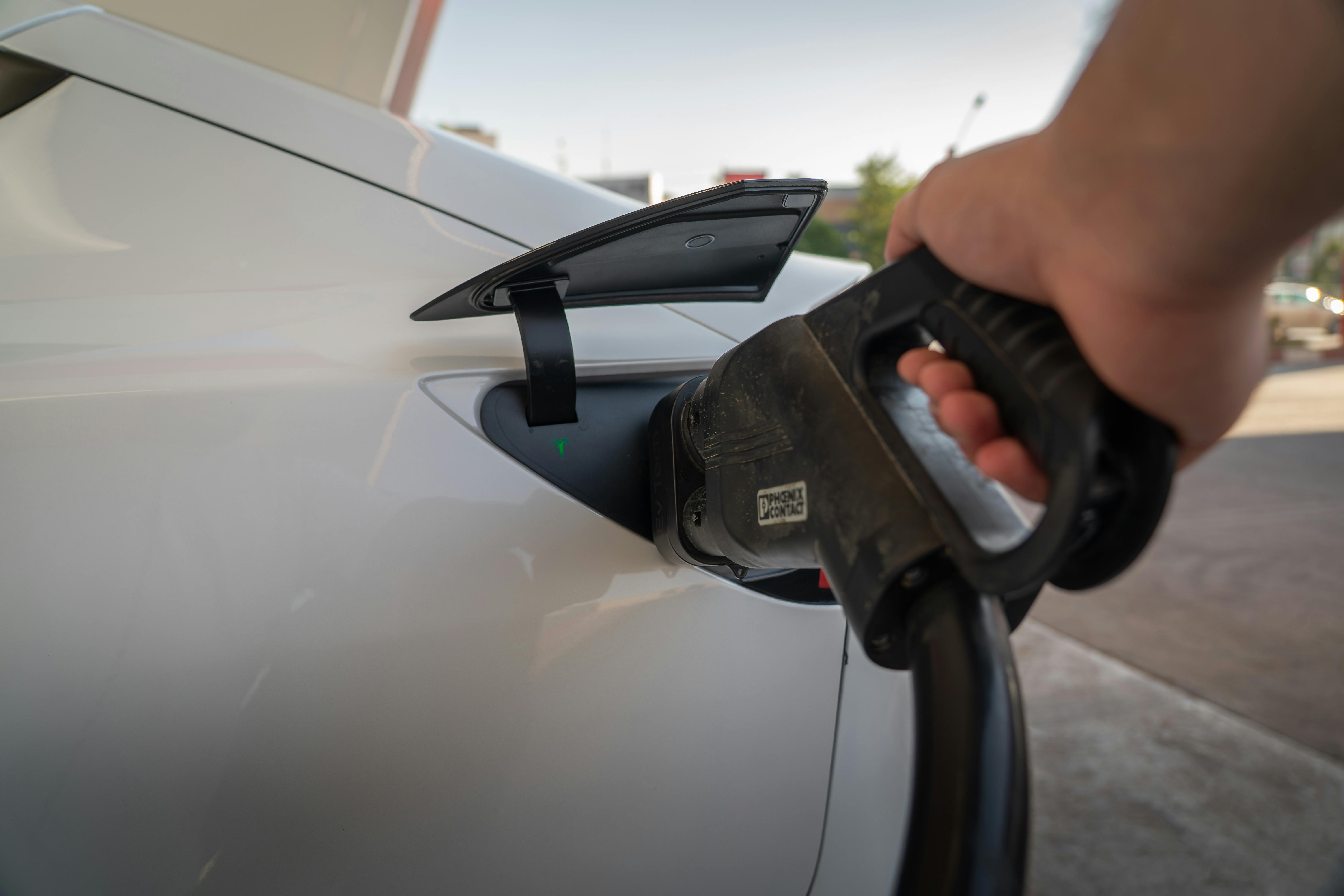
“For example, if everybody in Kuala Lumpur today decided to charge an electric car all at the same time and we decided to go 100% electric as far as motor vehicles are concerned, I think you would have a real serious problem with the electric grid,” explains Kenneth.
Therefore, the first thing is to think about, before even thinking of which fancy renewable technology to deploy, is hardening the electric grid, and looking at the electricity supply infrastructure.
For the longest time, there has been a direct correlation between the growth in population, energy required, and Gross Domestic Product (GDP).
Over recent years, this correlation has decoupled slightly, but it is still relevant.
“If global population and GDP continue to grow, then energy demand will also increase. Each time we want to store more photographs on our Instagram page or Google Cloud, we are placing additional demand on an already strained energy system.
As I said, whether we like it or not, the world has an insatiable thirst for energy.”
The key issue, then is, how to resolve and fund this growing, and increasingly unavoidable, demand,” concludes Kenneth.
For its second quarter ended Dec 31, 2025, Hibiscus delivered stronger financial performance quarter on quarter (QoQ), with revenue increasing by 26% to RM544.5 million, and profit after tax tripling to RM70.3 million.
The Group sold 2.5 million barrels of oil equivalent (MMboe) during this period, a 32% increase QoQ.
Hibiscus remains on track to meet its FY2026 sales volume guidance of 9.0 MMboe to 9.4 MMboe.

Web Edited by YAN PHENG LIANG
yanphengliang@suketv.com